
131 lines
7.6 KiB
Markdown
131 lines
7.6 KiB
Markdown
# evcc 🚘☀️
|
|
|
|
[](https://github.com/evcc-io/evcc/actions?query=workflow%3ABuild)
|
|
[](https://goreportcard.com/report/github.com/evcc-io/evcc)
|
|
[](https://hosted.weblate.org/engage/evcc/)
|
|
[](https://open.vscode.dev/evcc-io/evcc)
|
|
[](https://cloudsmith.io/~evcc/packages/)
|
|
[](https://github.com/evcc-io/evcc/releases)
|
|
|
|
evcc is an extensible EV Charge Controller with PV integration implemented in [Go][1]. Featured in [PV magazine](https://www.pv-magazine.de/2021/01/15/selbst-ist-der-groeoenlandhof-wallbox-ladesteuerung-selbst-gebaut/).
|
|
|
|

|
|
|
|
## Features
|
|
|
|
- simple and clean user interface
|
|
- wide range of supported [chargers](https://docs.evcc.io/docs/devices/chargers):
|
|
- ABL eMH1, Alfen (Eve), Bender (CC612/613), cFos (PowerBrain), Daheimladen, Ebee (Wallbox), Ensto (Chago Wallbox), [EVSEWifi/ smartWB](https://www.evse-wifi.de), Garo (GLB, GLB+, LS4), go-eCharger, HardyBarth (eCB1, cPH1, cPH2), Heidelberg (Energy Control), Innogy (eBox), Juice (Charger Me), KEBA/BMW, Menneckes (Amedio, Amtron Premium/Xtra, Amtron ChargeConrol), NRGkick, [openWB (includes Pro)](https://openwb.de/), Optec (Mobility One), PC Electric (includes Garo), Siemens, TechniSat (Technivolt), [Tinkerforge Warp Charger](https://www.warp-charger.com), Ubitricity (Heinz), Vestel, Wallbe, Webasto (Live), Mobile Charger Connect and many more
|
|
- experimental EEBus support (Elli, PMCC)
|
|
- experimental OCPP support
|
|
- Build-your-own: Phoenix Contact (includes ESL Walli), [EVSE DIN](http://evracing.cz/simple-evse-wallbox)
|
|
- Smart-Home outlets: FritzDECT, Shelly, Tasmota, TP-Link
|
|
- wide range of supported [meters](https://docs.evcc.io/docs/devices/meters) for grid, pv, battery and charger:
|
|
- ModBus: Eastron SDM, MPM3PM, ORNO WE, SBC ALE3 and many more, see <https://github.com/volkszaehler/mbmd#supported-devices> for a complete list
|
|
- Integrated systems: SMA Sunny Home Manager and Energy Meter, KOSTAL Smart Energy Meter (KSEM, EMxx)
|
|
- Sunspec-compatible inverter or home battery devices: Fronius, SMA, SolarEdge, KOSTAL, STECA, E3DC, ...
|
|
- and various others: Discovergy, Tesla PowerWall, LG ESS HOME, OpenEMS (FENECON)
|
|
- [vehicle](https://docs.evcc.io/docs/devices/vehicles) integration (state of charge, remote charge, battery and preconditioning status):
|
|
- Audi, BMW, Citroën, Dacia, Fiat, Ford, Hyundai, Jaguar, Kia, Landrover, ~~Mercedes~~, Mini, Nissan, Opel, Peugeot, Porsche, Renault, Seat, Smart, Skoda, Tesla, Volkswagen, Volvo, ...
|
|
- Services: OVMS, Tronity
|
|
- Scooters: Niu, Silence
|
|
- [plugins](https://docs.evcc.io/docs/reference/plugins) for integrating with any charger/ meter/ vehicle:
|
|
- Modbus, HTTP, MQTT, Javascript, WebSockets and shell scripts
|
|
- status [notifications](https://docs.evcc.io/docs/reference/configuration/messaging) using [Telegram](https://telegram.org), [PushOver](https://pushover.net) and [many more](https://containrrr.dev/shoutrrr/)
|
|
- logging using [InfluxDB](https://www.influxdata.com) and [Grafana](https://grafana.com/grafana/)
|
|
- granular charge power control down to mA steps with supported chargers (labeled by e.g. smartWB as [OLC](https://board.evse-wifi.de/viewtopic.php?f=16&t=187))
|
|
- REST and MQTT [APIs](https://docs.evcc.io/docs/reference/api) for integration with home automation systems
|
|
- Add-ons for [HomeAssistant](https://github.com/evcc-io/evcc-hassio-addon) and [OpenHAB](https://www.openhab.org/addons/bindings/evcc) (not maintained by the evcc core team)
|
|
|
|
## Getting Started
|
|
|
|
You'll find everything you need in our [documentation](https://docs.evcc.io/) (German).
|
|
|
|
## Contribute
|
|
|
|
To build evcc from source, [Go][1] 1.21 and [Node][2] 18 are required.
|
|
|
|
Build and run go backend. The UI becomes available at http://127.0.0.1:7070/
|
|
|
|
```sh
|
|
make install-ui
|
|
make ui
|
|
make install
|
|
make
|
|
./evcc
|
|
```
|
|
|
|
### UI development
|
|
|
|
For frontend development start the Vue toolchain in dev-mode. Open http://127.0.0.1:7071/ to get to the livelreloading development server. It pulls its data from port 7070 (see above).
|
|
|
|
```sh
|
|
npm install
|
|
npm run start
|
|
```
|
|
|
|
### Integration tests
|
|
|
|
We use Playwright for end-to-end integration tests. They start a local evcc instance with different configuration yamls and prefilled databases. To run them, you have to do a local build first.
|
|
|
|
```sh
|
|
make ui build
|
|
npm run playwright
|
|
```
|
|
|
|
#### Simulating device state
|
|
|
|
Since we dont want to run tests agains real devices or cloud services we've build a simple simulator that lets you emulated meters, vehicles and loadpoints. The simulators web interface runs on http://localhost:7072.
|
|
|
|
```
|
|
npm run simulator
|
|
```
|
|
|
|
Run an evcc instance that uses simulator data. This configuration runs with a very high refresh interval to seed up testing.
|
|
|
|
```
|
|
make ui build
|
|
./evcc --config tests/simulator.evcc.yaml
|
|
```
|
|
|
|
### Code formatting
|
|
|
|
We use linters (golangci-lint, Prettier) to keep a coherent source code formatting. It's recommended to use the format-on-save feature of your editor. For VSCode use the [Go](https://marketplace.visualstudio.com/items?itemName=golang.Go), [Prettier](https://marketplace.visualstudio.com/items?itemName=esbenp.prettier-vscode) and [Veture](https://marketplace.visualstudio.com/items?itemName=octref.vetur) extension. You can manually reformat your code by running:
|
|
|
|
```sh
|
|
make lint
|
|
make lint-ui
|
|
```
|
|
|
|
### Changing templates
|
|
|
|
evcc supports a massive amount of different devices. To keep our documentation and website in sync with the latest software the core project (this repo) generates meta-data that's pushed to the `docs` and `evcc.io` repository. Make sure to update this meta-data every time you make changes to a templates.
|
|
|
|
```sh
|
|
make docs
|
|
```
|
|
|
|
If you miss one of the above steps Gitub Actions will likely trigger a **Porcelain** error.
|
|
|
|
### Adding or modifying translations
|
|
|
|
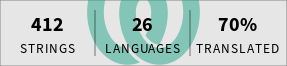
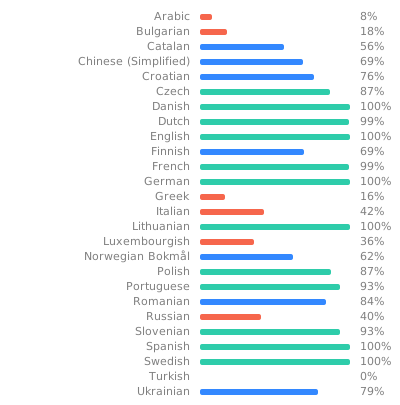
evcc already includes many translations for the UI. Weblate Hosted is used to maintain all languages. Feel free to add more languages or verify and edit existing translations. Weblate will automatically push all modifications on a regular base to the evcc repository.
|
|
|
|
[](https://hosted.weblate.org/engage/evcc/)
|
|
[](https://hosted.weblate.org/engage/evcc/)
|
|
|
|
https://hosted.weblate.org/projects/evcc/evcc/
|
|
|
|
## Sponsorship
|
|
|
|
<img src="docs/logo.png" align="right" width="150" />
|
|
|
|
evcc believes in open source software. We're committed to provide best in class EV charging experience.
|
|
Maintaining evcc consumes time and effort. With the vast amount of different devices to support, we depend on community and vendor support to keep evcc alive.
|
|
|
|
While evcc is open source, we would also like to encourage vendors to provide open source hardware devices, public documentation and support open source projects like ours that provide additional value to otherwise closed hardware. Where this is not the case, evcc requires "sponsor token" to finance ongoing development and support of evcc.
|
|
|
|
The personal sponsor token requires a [Github Sponsorship](https://github.com/sponsors/evcc-io) and can be requested at [sponsor.evcc.io](https://sponsor.evcc.io/).
|
|
|
|
[1]: https://golang.org
|
|
[2]: https://nodejs.org/
|